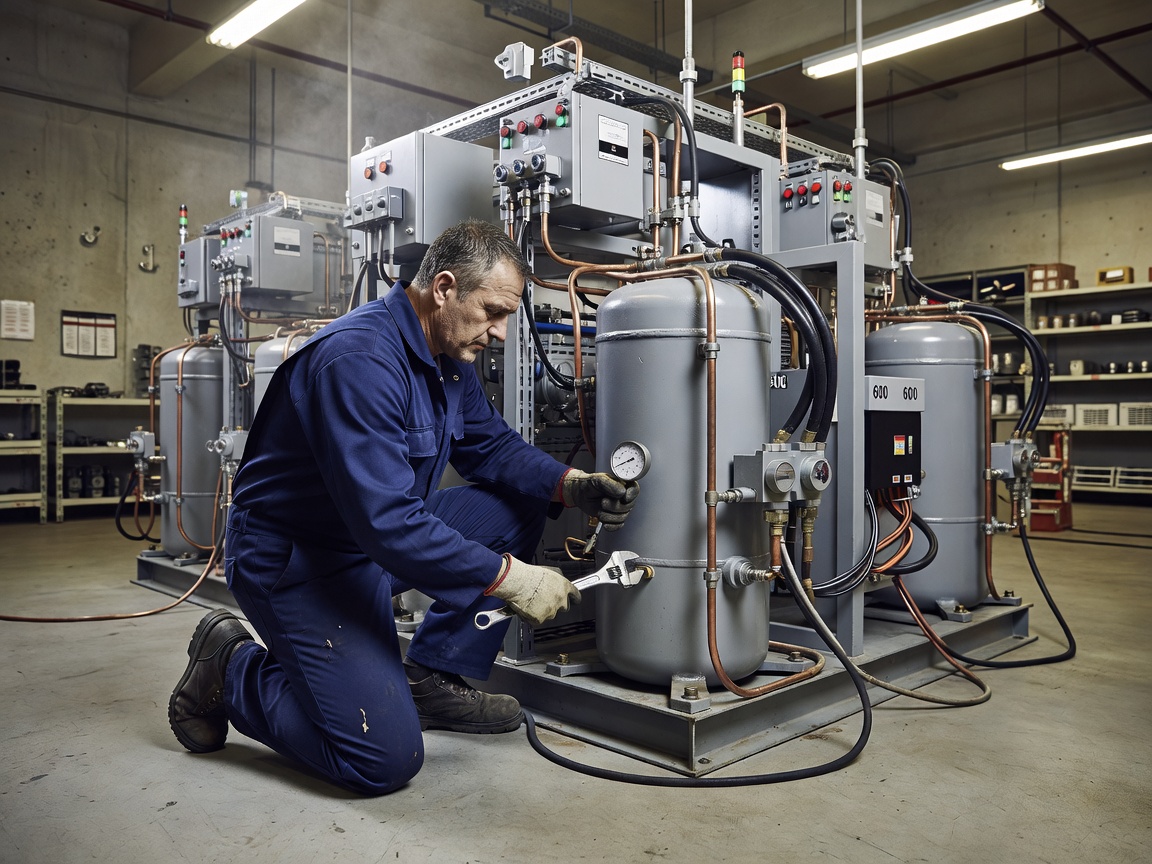
Retail Refrigeration Maintenance
Preventive protocols engineered for continuous commercial retail operation. We inspect compressor packs, fan assemblies, defrost cycles, and thermal expansion balancing to prevent store inventory emergencies.
Supermarket chillers, central pack systems, walk-in holding rooms, and display cases run 8,760 hours a year. We provide technical servicing schedules, airflow recalibration, and preventive checks that keep retail food safely preserved and energy budgets intact.
Supermarket refrigeration cannot rely on generic office air conditioning routines. Each retail asset demands specialized airflow diagnostics, heat exchange care, and defrost verification.
Preventive protocols engineered for continuous commercial retail operation. We inspect compressor packs, fan assemblies, defrost cycles, and thermal expansion balancing to prevent store inventory emergencies.
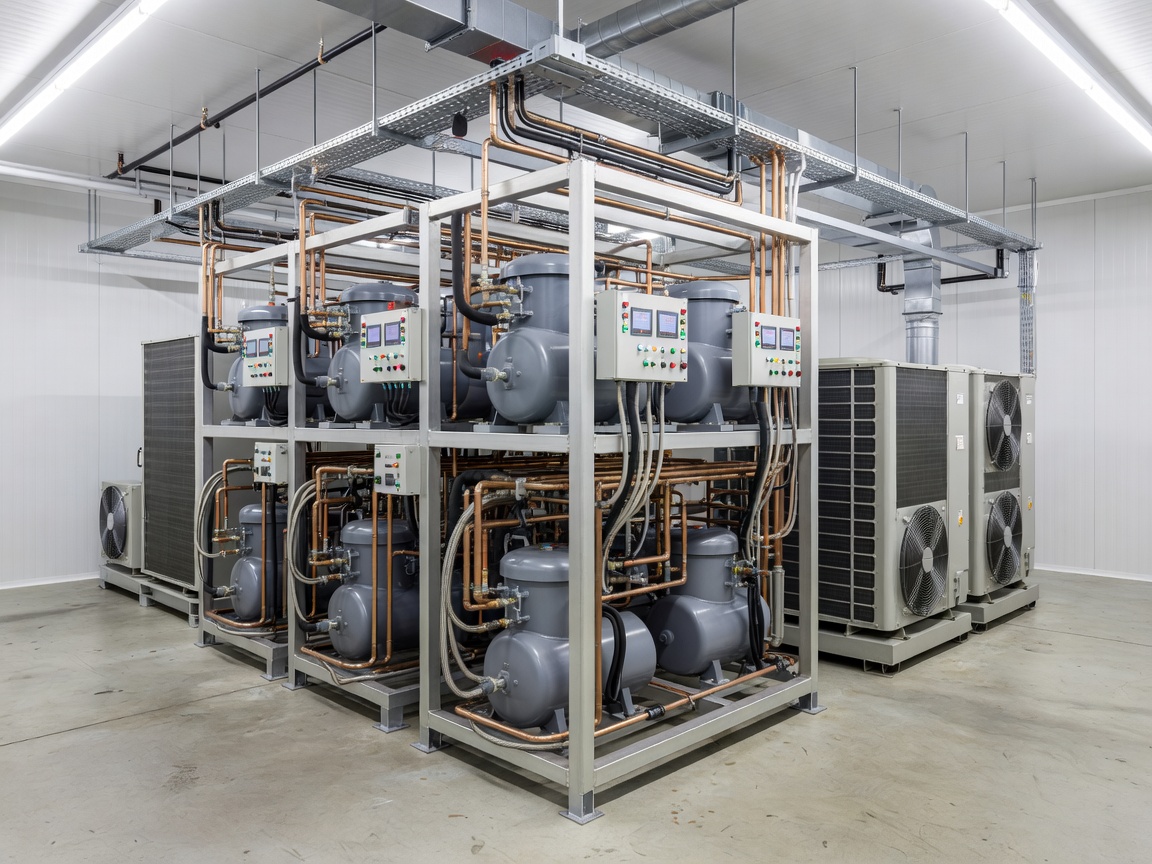
Strategic service coverage for multi-deck central plant rooms, CO₂ transcritical racks, remote air-cooled condensers, and distributed cold-chain loops across large store footprints.
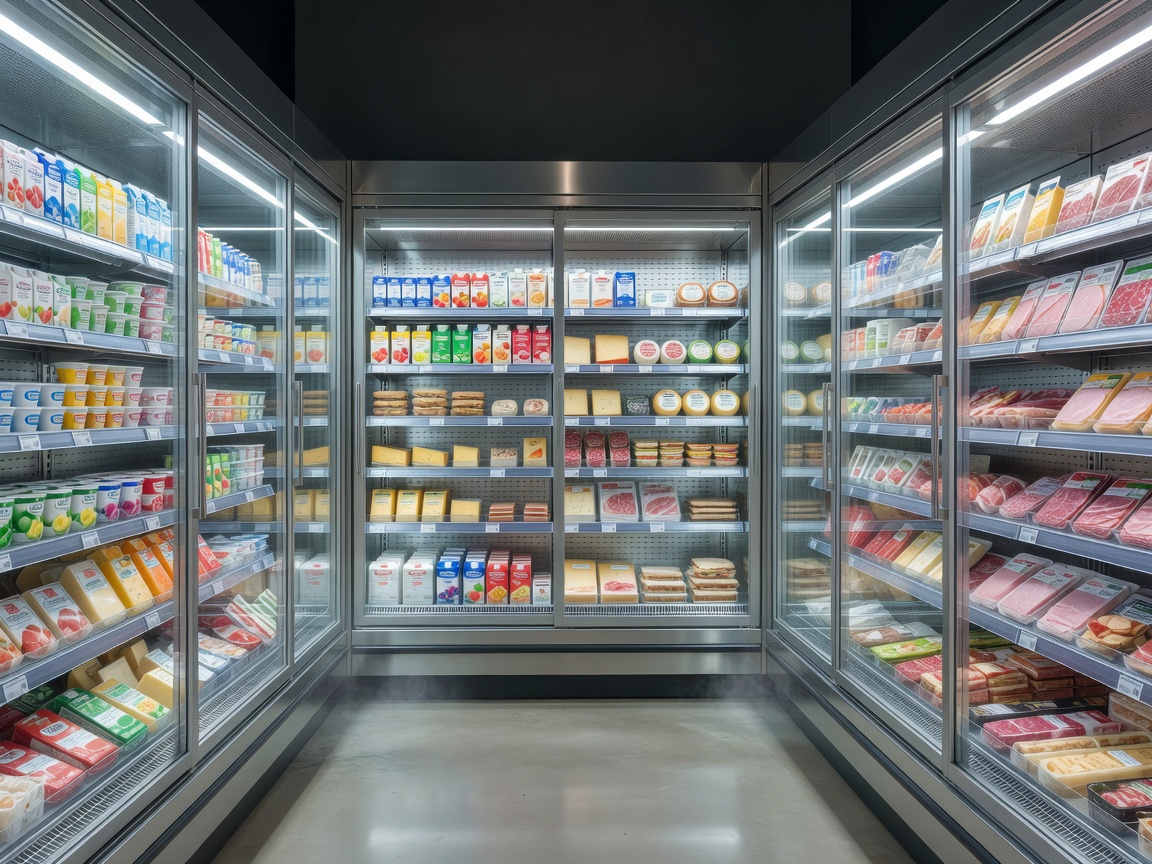
Specialized attention for grab-and-go merchandisers, multi-tier deli counters, frozen wells, and glass-door beverage cases. Focus on gasket seals, defrost drainage, and fan cleanliness.
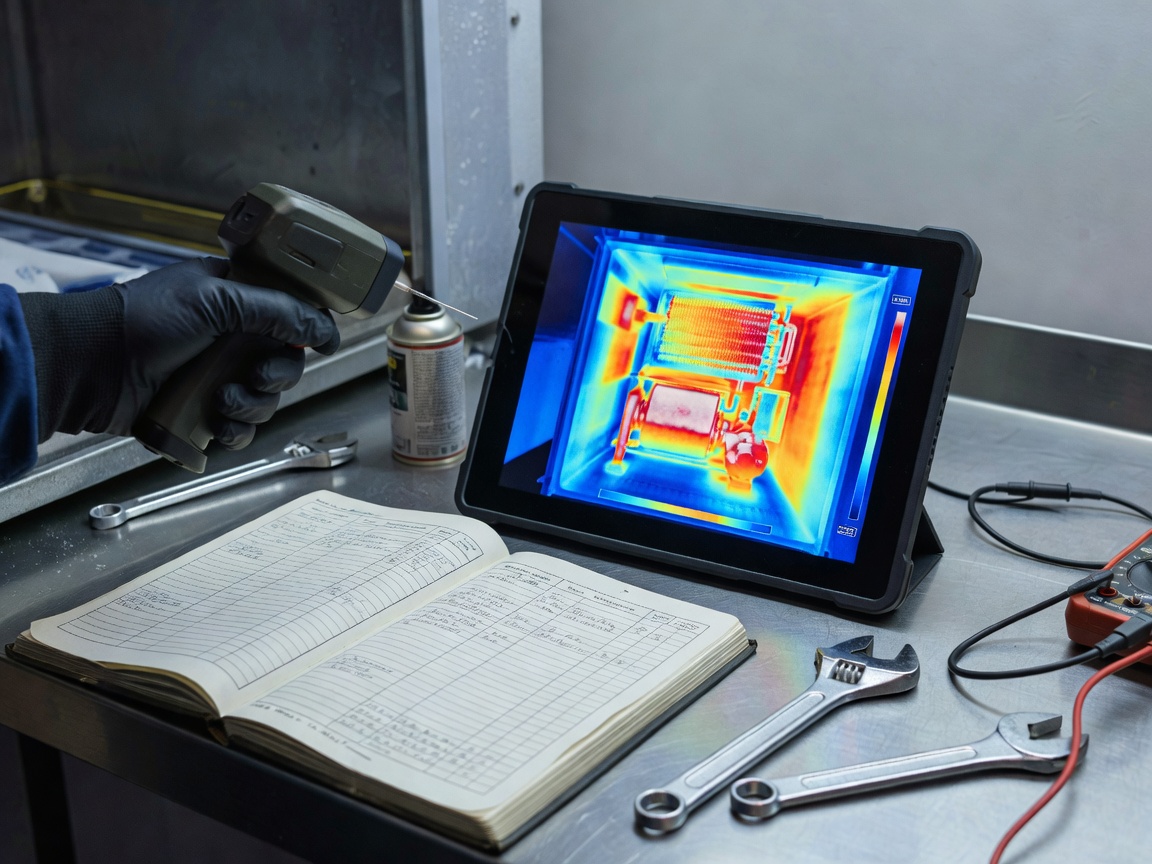
Structured audit frameworks to schedule leak checks, mechanical wear audits, electrical connection testing, and store-level hazard prevention without interrupting daily retail shopper traffic.
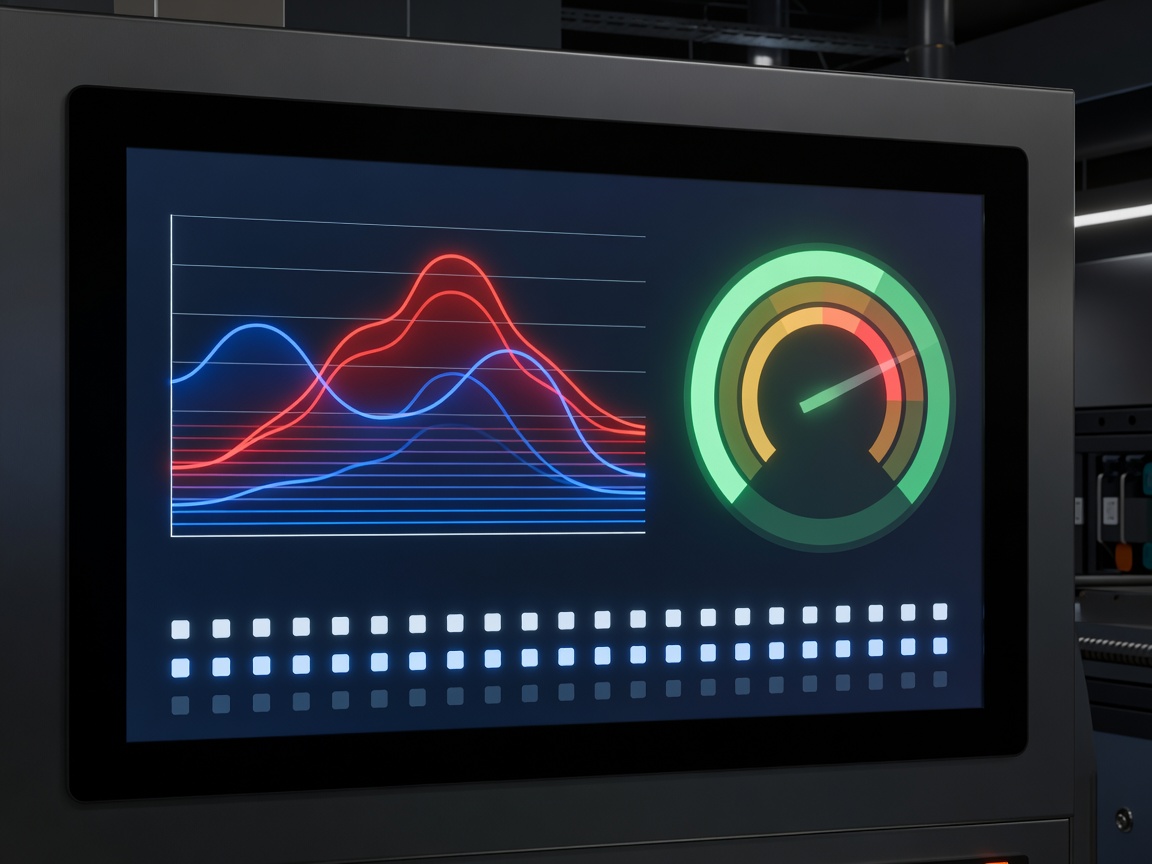
Technical tuning to minimize electrical waste in continuous cooling circuits. We diagnose fouled heat exchangers, optimize floating head pressures, and verify night-blind sealing.
Every commercial retail store operates under distinct humidity, foot traffic, and defrost cycles. Here is how structured maintenance cycles maintain product integrity and prevent equipment breakdown.
Comprehensive baseline sweep of coil surfaces, fan motors, refrigerant sight glasses, and audible compressor acoustics.
Physical clearing of condensate troughs, coil chemical washes, gasket realignment, and TXV sensor recalibration.
Formal logging of suction pressures, motor amp draw, refrigerant additions, and defrost termination temperatures.
Tracking thermal variance through store BMS telemetry to detect micro-leaks or airflow bypass early.
Quarterly trend assessments matching ambient seasonal swings with store system run-times and compressor duty.
Test your site priorities, verify critical routine checkpoints, and evaluate inspection stages with our lightweight in-browser operational tools.
Select a simulated store equipment symptom to determine appropriate response scheduling.
Standardized visual and mechanical checks conducted during a retail audit.
Interactive technician or store supervisor checklist. State is saved automatically to your local browser storage.
Standardized workflows applied during planned store service calls ensure no critical cooling element is overlooked.
Technicians pull recent store temperature logs, compressor start counts, and defrost trip histories from the central building management system before turning a single wrench. Understanding chronic alarm spikes helps target underlying pressure or valve instability.
Physical walk-through of the store sales floor and rooftop condenser deck. Technicians inspect door hinge alignment, case return grills for stock blockages, sight glasses for refrigerant bubbles, and compressor discharge line temperatures.
Application of low-pressure neutral coil cleaners to remove grease, atmospheric dust, and paper lint from heat exchangers. Pumping out drain lines and flushing condensate pans prevents biological biofilm overflow onto retail floorboards.
Direct measurement of evaporator fan motor amperage, crankcase heater continuity, electronic expansion valve stepping, and electrical contactor wear. Defrost heaters are cycled manually to ensure complete elements illuminate.
Inputting refrigerant weights, oil levels, superheat values, and identified minor wear items into digital maintenance registers. Transparent logs allow supermarket store managers to verify compliance with national refrigerant management frameworks.
Setting date triggers for follow-up seasonal adjustments (e.g., preparing air-cooled rooftop condensers for summer peak ambient spikes) and ordering replacement consumable gaskets or fan bearings well before catastrophic mechanical failure.
Connect with our operations desk to evaluate supermarket multi-packs, cold store facilities, or retail case service routines across your locations.
Initiate Technical Dialogue