An inspection program that exists only on paper is worthless. In the fast-paced retail supermarket environment, scheduled audits are easily postponed when delivery trucks run late or staff shortages arise on the sales floor. However, an uninspected refrigeration circuit quietly accumulates risk: minor pinhole vibration leaks become catastrophic atmospheric discharges, and loose terminal connections turn into melted control contactors.
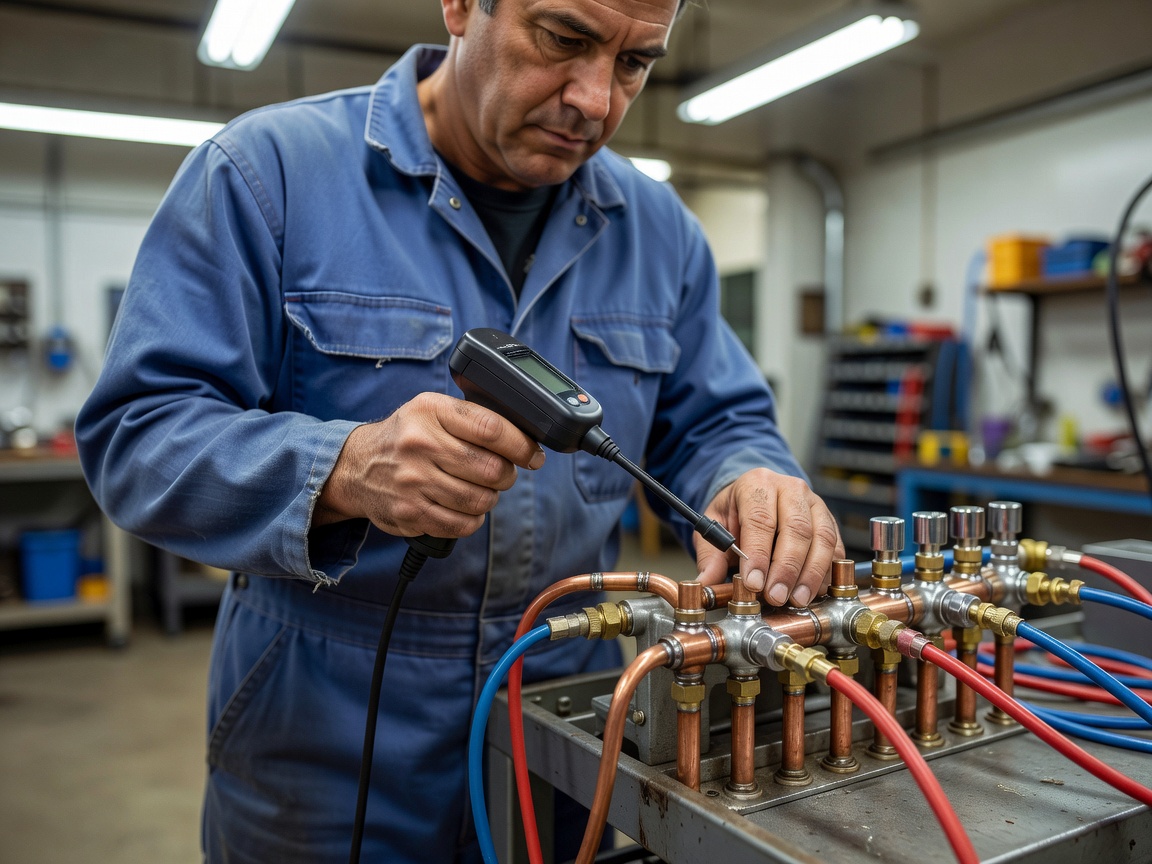
Determining Inspection Cadence: General Planning Guidance
How often should retail cooling assets be inspected? While specific legal leak-testing intervals depend on total system charge and CO₂ equivalent thresholds (as defined by regional regulations), operational best practices suggest a multi-layered tier approach:
Daily Shift Walks: Conducted by in-store staff. Visual inspection of case digital temperature displays, checking for audible fan squeal or rattling louvers, and ensuring aisles are free of condensate puddles.
Monthly Intermediate Servicing: Performed by certified technicians. Physical examination of condenser cleanliness, sniffer checks around high-vibration piping joints, oil level inspections, and drain line flushing.
Comprehensive Quarterly/Bi-Annual Audits: In-depth electrical megohmmeter testing of compressor windings, thermographic scanning of central switchboards, electronic expansion valve superheat verification, and safety high-pressure cutout mechanical trips.
Early Leak Indicators in the Retail Environment
Refrigerant doesn't simply disappear. If a system requires a top-up, it has a physical breach. In commercial retail plants, technicians watch for subtle mechanical fingerprints before low-pressure alarms trigger:
1. Bubbles in the Liquid Sight Glass: If bubbles stream steadily past the moisture indicator under full design load, the system is either experiencing flash gas due to line restriction or is shedding refrigerant charge.
2. Oil Stains at Braze Joints: Refrigerant oil circulates continuously with the refrigerant. Where refrigerant escapes as a gas, oil leaves a sticky film that attracts black ambient dust. An oily pipe elbow is a telltale sign of an active leak.
3. Unexplained Compressor Duty Creep: If BMS records show rack compressors running 15% longer than typical for a given outdoor ambient temperature, the system is struggling against a falling suction pressure, frequently caused by low charge.
| Inspection Tier | Focus Areas | Tools Required | Primary Outcome |
|---|---|---|---|
| Tier 1: Daily Store Visual | Probe readouts, water pools, clear air curtain lanes | Visual review; handheld infrared thermometer | Immediate stock hazard avoidance; slip hazard detection |
| Tier 2: Monthly Technical | Filter grilles, drain traps, fan bearings, sight glasses | Heated-diode leak detector; anemometer; amp clamp | Early identification of micro-frost and line restrictions |
| Tier 3: Deep Audit | Safety relief valves, oil acidity, winding insulation, BMS calibration | Thermal camera; megohmmeter; oil test kit; pressure manifolds | Life-cycle verification; statutory compliance record maintenance |
Documentation and Fault Prioritization
Documenting a defect is only helpful if the fault is triaged effectively. Our recommended inspection model separates discoveries into distinct actionable buckets: Urgent (safety hazard or immediate food warming risk requiring same-day repair), Attention Soon (defrost overruns or failing door gaskets to resolve within 72 hours), and Routine Planned (minor cosmetic rust on case exterior or preventive fan motor replacement at next scheduled service).
Field Audit Log Structure
- Asset identification tag number, location aisle, and circuit identifier.
- Operating suction pressure, discharge head pressure, and ambient rooftop reading.
- Calculated evaporator superheat and liquid subcooling at condenser outlet.
- Compressor crankcase oil level (quarter glass, half glass) and color index.
- Thermal image scan results of main power distribution and sub-board contactors.
- Confirmation of functional emergency shutoff switches and remote alarm links.
Practical Limitations
Inspection planning cannot foresee random electrical surges, grid phase drops, or physical vandalism. Its purpose is to eliminate systemic mechanical neglect and keep store operating budgets predictable.
Compliance Disclaimer: Regulatory requirements for statutory pressure vessel inspections and F-Gas leakage recording vary by country and jurisdiction. Verify mandatory audit intervals with your local environmental health or refrigeration authority.